
A licence decision with a record you can verify.
A renewal is approved on the strength of checks nobody can see afterwards. Rootz keeps the source checks, the authorization and the issued licence bound together — so a roadside officer or another agency can verify the record itself, not the system that stored it. The authority keeps control of the service.
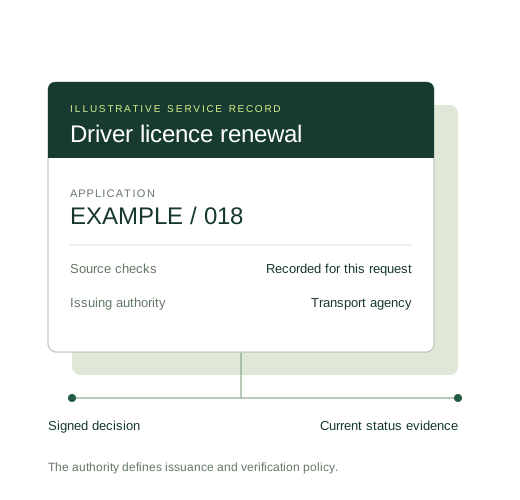
The first workflow: renewal
Start with a defined renewal category and the systems it already uses. The applicant submits through the existing portal or an assisted channel. Each participating service returns the evidence its decision depends on.
The objective is a recipient-verifiable handoff into the agency’s issuance process. Eligibility rules and approval responsibility remain with the licensing authority. This is a proposed integration design.
Follow one renewal
Capture the request
Record the submitted version, the requesting principal and any representative’s authority. An assisted submission records who acted for the applicant.
Check source records
Obtain the identity, existing licence, eligibility and payment evidence required by that jurisdiction. Preserve source references and freshness.
Apply the agency’s rules
Bind the relevant policy version and the validation results to this application. AI may assist with extraction or exception preparation within its permitted scope.
Authorize the decision
The designated official or agency-approved process signs the decision under its delegated authority.
Issue and return the record
The application produces the credential or issuance instruction. Binder attaches the agreed evidence and binds the output to the request.
Verify when it is used
A recipient checks issuer authority, integrity, relevant conditions and current status within its permitted disclosure scope.
What the delivery includes
| Rootz contribution | Application and agency contribution |
|---|---|
| Request and output signing; evidence profile; Binder connection | Applicant portal, registry, identity proofing and licensing rules |
| Verification of the signed exchange and required source evidence | The legal mandate, delegated approval powers and exception process |
| Evidence retention and export design | The credential format, printing or mobile presentation, and citizen support |
| Status and freshness checks in the agreed workflow | The authoritative suspension, renewal and revocation records |
Acceptance that demonstrates the value
A legitimate renewal can proceed
The receiving system accepts the agreed evidence and preserves the request-to-decision relationship.
An invalid handoff stops
An altered decision, another applicant’s response, an expired authority record or missing required status evidence triggers the defined exception.
Designed for real service conditions
Choose the supported credential and presentation standards with the authority and application supplier. Define minimum disclosure, lost-device recovery and assisted access.
Offline verification can check the evidence already held. The service must state how recently status was checked and when an online update is required. An absence of connectivity must never silently become a claim of current validity.
Start with one renewal category.
Bring the registry interface, current renewal steps and the person who owns issuance policy.
Scope the pathway